HSK 2 · Classic list
HSK 2 Vocabulary List: All 151 Words with Pinyin
Every new HSK 2 word with pinyin, English and an example sentence. Start free in TianTian to learn them with a memory picture and audio.
What is on the HSK 2 vocabulary list?
Classic HSK 2.0 Level 2 adds 151 new words on top of the earlier levels. Below is every word with pinyin, English and an example sentence, grouped by theme so it is easier to learn than an A–Z list.
Source: TianTian HSK 2 bank (151 words), based on the classic HSK 2.0 Level 2 inventory. HSK 3.0 levels are larger; check the syllabus with your test centre.
See the memory pictures
Each word in the app comes with a deliberately strange picture: weird images are easier to remember.
 咖啡kāfēi · coffee
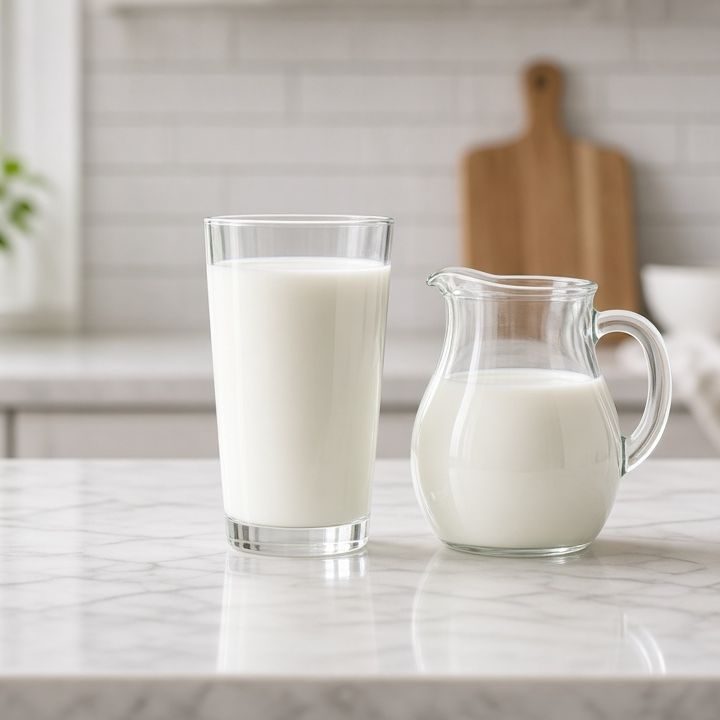 牛奶niúnǎi · milk
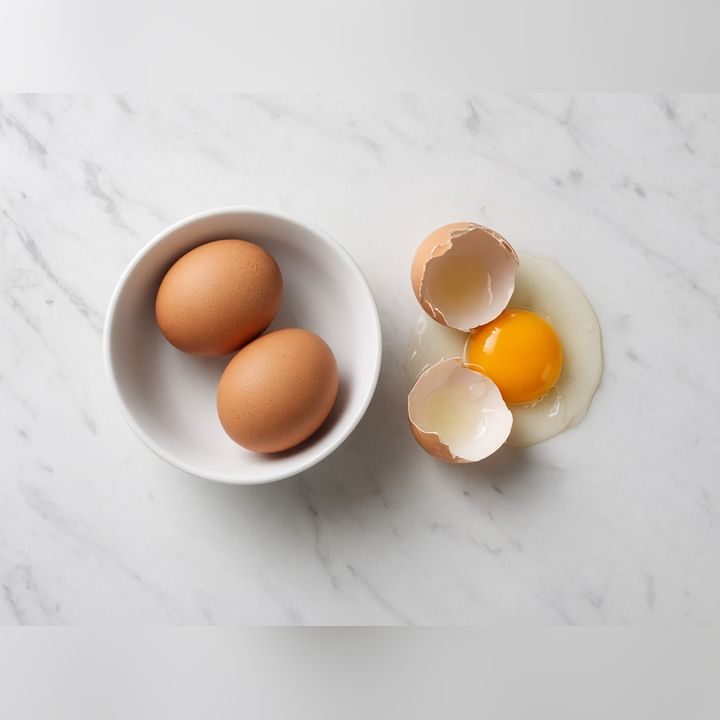 鸡蛋jīdàn · egg
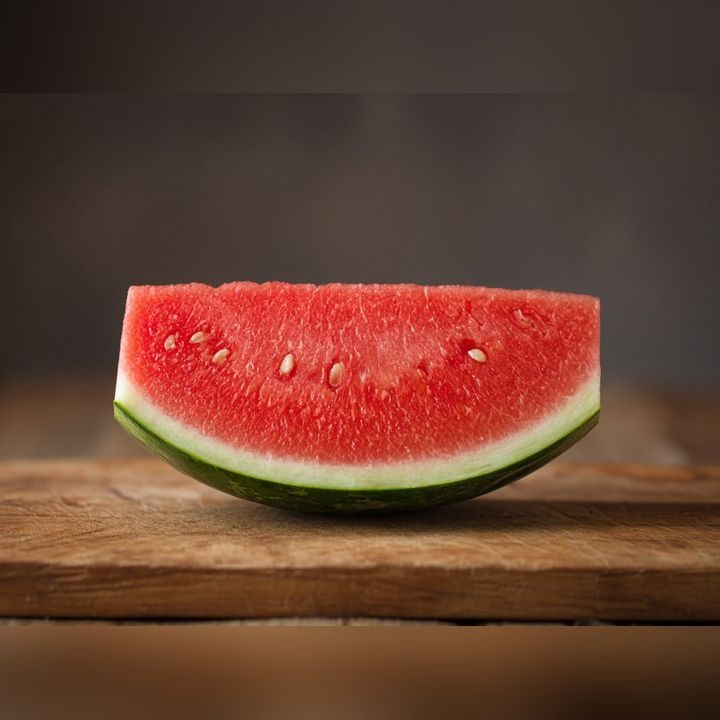 西瓜xīguā · watermelon
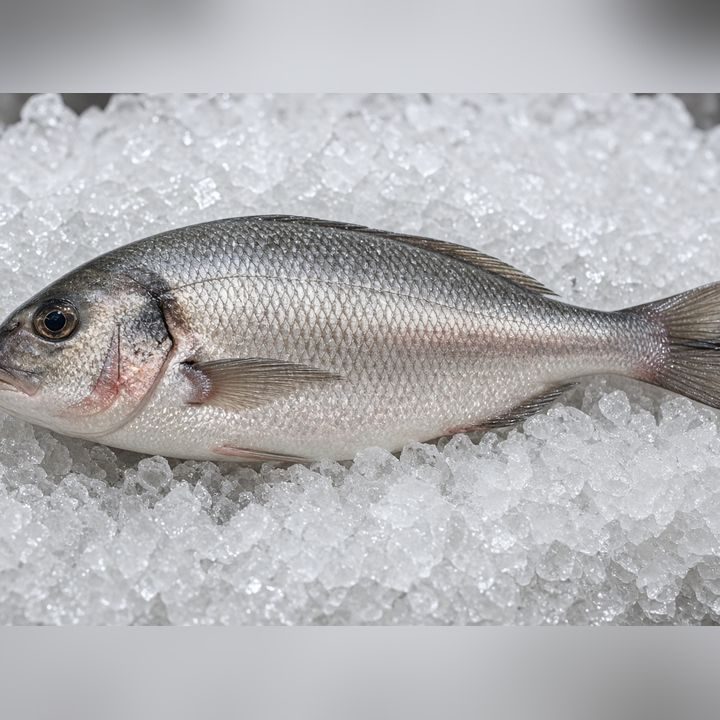 鱼yú · fish
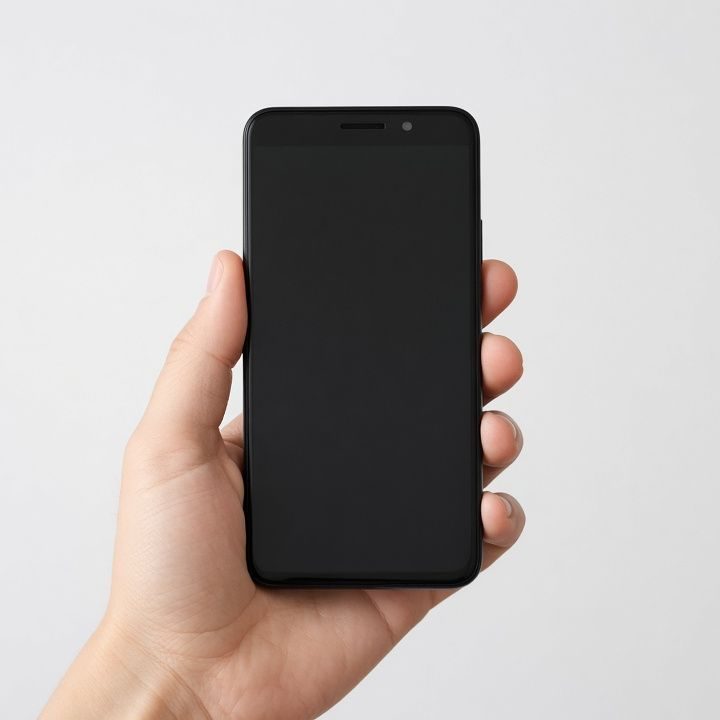 手机shǒujī · mobile phone
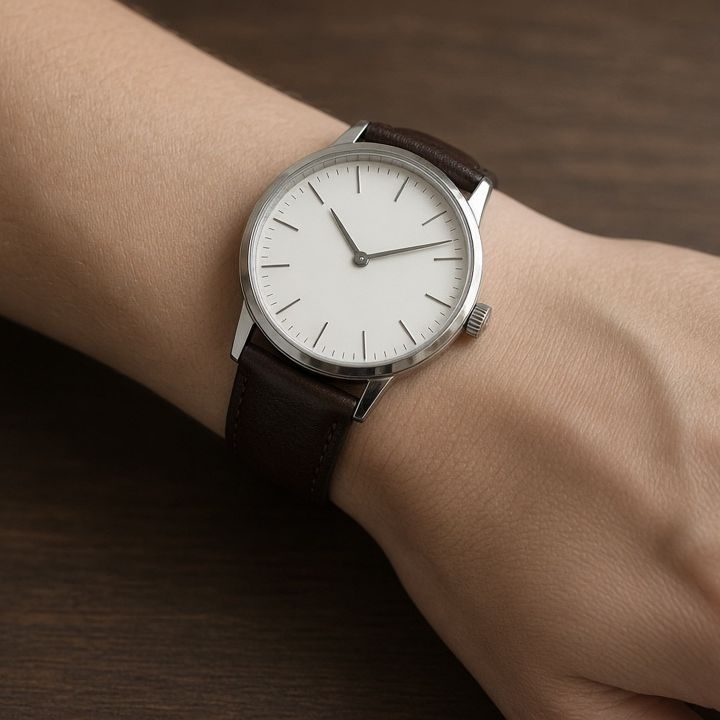 手表shǒubiǎo · wristwatch
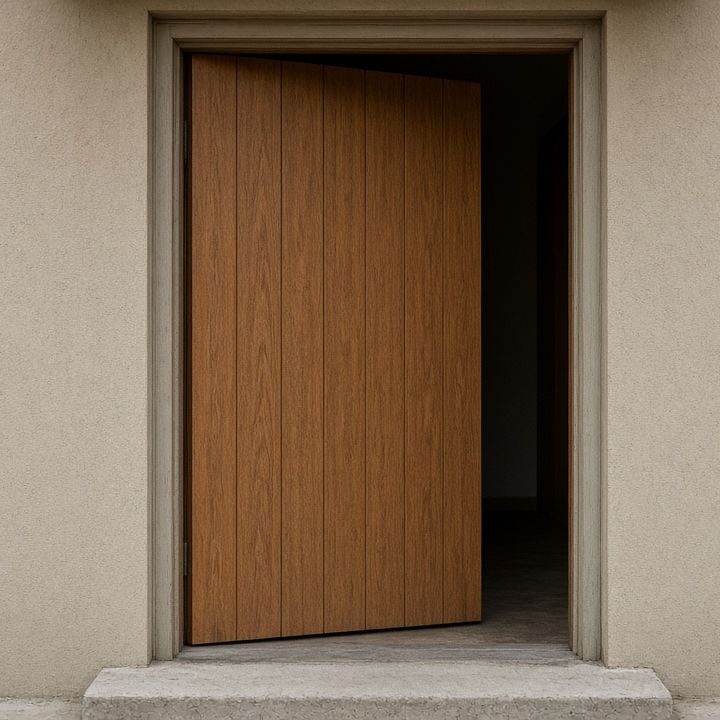 门mén · door; gate
Food & drink 7
| Hanzi | Pinyin | English | Example |
|---|---|---|---|
| 咖啡 | kāfēi | coffee | 我想喝咖啡。 I want to drink coffee. |
| 牛奶 | niúnǎi | milk | 我喜欢喝牛奶。 I like drinking milk. |
| 鸡蛋 | jīdàn | egg | 我吃一个鸡蛋。 I eat an egg. |
| 西瓜 | xīguā | watermelon | 我喜欢吃西瓜。 I like eating watermelon. |
| 羊肉 | yángròu | lamb; mutton | 我喜欢吃羊肉。 I like eating lamb. |
| 面条 | miàntiáo | noodles | 我喜欢吃面条。 I like eating noodles. |
| 好吃 | hǎochī | tasty | 这个菜很好吃。 This dish is delicious. |
Animal 1
| Hanzi | Pinyin | English | Example |
|---|---|---|---|
| 鱼 | yú | fish | 我不吃鱼。 I don't eat fish. |
Tech 1
| Hanzi | Pinyin | English | Example |
|---|---|---|---|
| 手机 | shǒujī | mobile phone | 我的手机在家。 My phone is at home. |
Things 11
| Hanzi | Pinyin | English | Example |
|---|---|---|---|
| 手表 | shǒubiǎo | wristwatch | 这是我爸爸的手表。 This is my dad's watch. |
| 报纸 | bàozhǐ | newspaper | 爸爸在看报纸。 Dad is reading the newspaper. |
| 药 | yào | medicine | 他在医院买药。 He buys medicine at the hospital. |
| 票 | piào | ticket | 我想买电影票。 I want to buy a movie ticket. |
| 铅笔 | qiānbǐ | pencil | 这是我的铅笔。 This is my pencil. |
| 课 | kè | class; lesson | 我们现在上课。 We are in class now. |
| 题 | tí | question; problem (exam) | 这个题我不会。 I can’t do this question. |
| 问题 | wèntí | question; problem | 我有一个问题。 I have a question. |
| 颜色 | yánsè | colour | 你喜欢什么颜色? What colour do you like? |
| 意思 | yìsi | meaning | 这是什么意思? What does this mean? |
| 事情 | shìqing | matter; thing; affair | 今天我有很多事情。 I have a lot to do today. |
Places 8
| Hanzi | Pinyin | English | Example |
|---|---|---|---|
| 门 | mén | door; gate | 请开门。 Please open the door. |
| 机场 | jīchǎng | airport | 机场很大。 The airport is big. |
| 教室 | jiàoshì | classroom | 老师在教室。 The teacher is in the classroom. |
| 房间 | fángjiān | room | 我的房间很小。 My room is small. |
| 路 | lù | road; way | 这是去学校的路。 This is the road to school. |
| 公司 | gōngsī | company; firm | 我在公司工作。 I work at a company. |
| 宾馆 | bīnguǎn | hotel; guesthouse | 我住在宾馆。 I am staying at a hotel. |
| 火车站 | huǒchēzhàn | train station | 火车站在学校后面。 The train station is behind the school. |
Transport 3
| Hanzi | Pinyin | English | Example |
|---|---|---|---|
| 船 | chuán | boat; ship | 我们坐船去。 We go by boat. |
| 自行车 | zìxíngchē | bicycle | 这是我的自行车。 This is my bicycle. |
| 公共汽车 | gōnggòngqìchē | bus | 我坐公共汽车去学校。 I take the bus to school. |
Body & health 2
| Hanzi | Pinyin | English | Example |
|---|---|---|---|
| 眼睛 | yǎnjing | eye; eyes | 我的眼睛很大。 My eyes are big. |
| 身体 | shēntǐ | body; health | 我身体很好。 I am in good health. |
Weather 3
| Hanzi | Pinyin | English | Example |
|---|---|---|---|
| 雪 | xuě | snow | 今天下雪。 It's snowing today. |
| 晴 | qíng | sunny; clear | 今天是晴天。 Today is a sunny day. |
| 阴 | yīn | overcast; cloudy | 今天是阴天。 Today is an overcast day. |
Color 3
| Hanzi | Pinyin | English | Example |
|---|---|---|---|
| 红 | hóng | red | 这个苹果是红的。 This apple is red. |
| 黑 | hēi | black; dark | 我的猫是黑的。 My cat is black. |
| 白 | bái | white | 他的衣服是白的。 His clothes are white. |
Action 31
| Hanzi | Pinyin | English | Example |
|---|---|---|---|
| 游泳 | yóuyǒng | to swim | 我想去游泳。 I want to go swimming. |
| 跑步 | pǎobù | to run; to jog | 我今天不想跑步。 I don't feel like running today. |
| 穿 | chuān | to wear; to put on | 她穿红衣服。 She is wearing red clothes. |
| 跳舞 | tiàowǔ | to dance | 她喜欢跳舞。 She likes dancing. |
| 唱歌 | chànggē | to sing | 我爱唱歌。 I love singing. |
| 打篮球 | dǎ lánqiú | to play basketball | 我们星期六打篮球。 We play basketball on Saturday. |
| 洗 | xǐ | to wash | 我想洗衣服。 I want to wash clothes. |
| 玩 | wán | to play; to have fun | 我想和朋友玩。 I want to play with my friends. |
| 起床 | qǐchuáng | to get up | 我六点起床。 I get up at six. |
| 上班 | shàngbān | to go to work | 爸爸今天不上班。 Dad doesn't go to work today. |
| 旅游 | lǚyóu | to travel; to tour | 我想去中国旅游。 I want to travel in China. |
| 考试 | kǎoshì | exam; take an exam | 明天我有考试。 I have an exam tomorrow. |
| 运动 | yùndòng | sports; exercise | 我喜欢运动。 I like exercise. |
| 踢足球 | tī zúqiú | play football (soccer) | 我喜欢踢足球。 I like playing football. |
| 生病 | shēngbìng | to fall ill | 他生病了。 He is ill. |
| 休息 | xiūxi | to rest | 我想休息。 I want to rest. |
| 说话 | shuōhuà | to speak; to talk | 他不说话。 He doesn’t speak. |
| 告诉 | gàosu | to tell | 请告诉我你的名字。 Please tell me your name. |
| 问 | wèn | to ask | 我想问老师。 I want to ask the teacher. |
| 送 | sòng | to give (a gift); to see off | 我送你书。 I give you a book. |
| 给 | gěi | to give; for | 请给我水。 Please give me some water. |
| 找 | zhǎo | to look for | 我找我的钱。 I am looking for my money. |
| 介绍 | jièshào | to introduce | 我来介绍我的朋友。 Let me introduce my friend. |
| 开始 | kāishǐ | to begin | 现在开始。 Let’s begin now. |
| 完 | wán | to finish; to be finished | 我吃完了。 I have finished eating. |
| 别 | bié | don’t | 别喝水。 Don’t drink the water. |
| 准备 | zhǔnbèi | to prepare | 我准备去学校。 I am getting ready to go to school. |
| 帮助 | bāngzhù | to help | 谢谢你的帮助。 Thanks for your help. |
| 让 | ràng | to let; to make (someone do) | 老师让我读书。 The teacher lets me read. |
| 等 | děng | to wait | 请等我。 Please wait for me. |
| 卖 | mài | to sell | 这里卖水果。 They sell fruit here. |
People 5
| Hanzi | Pinyin | English | Example |
|---|---|---|---|
| 孩子 | háizi | child | 这个孩子是我的儿子。 This child is my son. |
| 男 | nán | male; man | 他是男学生。 He is a male student. |
| 女 | nǚ | female; woman | 她是女老师。 She is a female teacher. |
| 服务员 | fúwùyuán | waiter; waitress | 服务员在饭店工作。 The waiter works in a restaurant. |
| 姓 | xìng | to be surnamed | 你姓什么? What is your surname? |
Feeling 8
| Hanzi | Pinyin | English | Example |
|---|---|---|---|
| 笑 | xiào | to laugh; to smile | 他在笑。 He is laughing. |
| 累 | lèi | tired | 我今天很累。 I'm very tired today. |
| 懂 | dǒng | to understand | 我不懂。 I don’t understand. |
| 忙 | máng | busy | 我今天很忙。 I am busy today. |
| 快乐 | kuàilè | happy | 我很快乐。 I am happy. |
| 觉得 | juéde | to feel; to think | 我觉得很好。 I think it is great. |
| 希望 | xīwàng | to hope | 我希望明天天气好。 I hope the weather is nice tomorrow. |
| 知道 | zhīdào | to know | 我知道你的名字。 I know your name. |
Position 9
| Hanzi | Pinyin | English | Example |
|---|---|---|---|
| 旁边 | pángbiān | beside; next to | 商店在医院旁边。 The shop is next to the hospital. |
| 左边 | zuǒbian | left side | 学校在医院左边。 The school is on the left of the hospital. |
| 右边 | yòubian | right side | 商店在右边。 The shop is on the right. |
| 离 | lí | to be away from | 你家离学校多少分钟? How many minutes is your home from school? |
| 近 | jìn | near; close | 商店很近。 The shop is close. |
| 远 | yuǎn | far | 北京很远。 Beijing is far. |
| 从 | cóng | from | 我从北京来。 I come from Beijing. |
| 往 | wǎng | toward | 往前看。 Look ahead. |
| 外 | wài | outside | 学校外面有商店。 There is a shop outside the school. |
Adjectives 10
| Hanzi | Pinyin | English | Example |
|---|---|---|---|
| 新 | xīn | new | 这是我的新衣服。 These are my new clothes. |
| 高 | gāo | tall; high | 他很高。 He is tall. |
| 快 | kuài | fast; quick | 飞机很快。 Planes are fast. |
| 便宜 | piányi | cheap | 这个很便宜。 This one is cheap. |
| 贵 | guì | expensive | 这个太贵了。 This one is too expensive. |
| 慢 | màn | slow | 我说汉语很慢。 I speak Chinese slowly. |
| 错 | cuò | wrong; mistake | 对不起,我错了。 Sorry, I was wrong. |
| 对 | duì | correct; right | 这个字不对。 This character is not right. |
| 长 | cháng | long | 这个桌子很长。 This table is very long. |
| 比 | bǐ | than; to compare | 我比你大。 I am older than you. |
Time 7
| Hanzi | Pinyin | English | Example |
|---|---|---|---|
| 生日 | shēngrì | birthday | 今天是我的生日。 Today is my birthday. |
| 时间 | shíjiān | time | 我没有时间。 I don’t have time. |
| 小时 | xiǎoshí | hour | 我学习一个小时。 I study for one hour. |
| 晚上 | wǎnshang | evening; night | 晚上我看电视。 In the evening I watch TV. |
| 早上 | zǎoshang | morning | 早上我喝茶。 In the morning I drink tea. |
| 去年 | qùnián | last year | 去年我在北京。 Last year I was in Beijing. |
| 日 | rì | day; date; sun | 今天是五月五日。 Today is May 5th. |
Verbs 2
| Hanzi | Pinyin | English | Example |
|---|---|---|---|
| 要 | yào | to want; to need; will | 我要一个苹果。 I want an apple. |
| 可以 | kěyǐ | can; may | 我可以坐这儿吗? Can I sit here? |
Adverb 11
| Hanzi | Pinyin | English | Example |
|---|---|---|---|
| 也 | yě | also; too | 我也是学生。 I am a student too. |
| 一起 | yìqǐ | together | 我们一起去学校。 We go to school together. |
| 非常 | fēicháng | very; extremely | 我非常高兴。 I am very happy. |
| 最 | zuì | most | 我最喜欢茶。 I like tea best. |
| 真 | zhēn | really; truly | 这个苹果真大。 This apple is really big. |
| 还 | hái | still; also | 我还想喝水。 I still want to drink water. |
| 就 | jiù | right then; just | 我现在就去。 I’ll go right now. |
| 再 | zài | again | 请再说一次。 Please say it once more. |
| 已经 | yǐjīng | already | 我已经吃了。 I have already eaten. |
| 正在 | zhèngzài | in the middle of (doing) | 我正在看书。 I am reading right now. |
| 可能 | kěnéng | maybe; possible | 明天可能下雨。 It might rain tomorrow. |
Family 6
| Hanzi | Pinyin | English | Example |
|---|---|---|---|
| 哥哥 | gēge | older brother | 我哥哥是医生。 My older brother is a doctor. |
| 弟弟 | dìdi | younger brother | 我弟弟喜欢猫。 My younger brother likes cats. |
| 姐姐 | jiějie | older sister | 我姐姐在北京工作。 My older sister works in Beijing. |
| 妹妹 | mèimei | younger sister | 我妹妹爱看书。 My younger sister loves reading. |
| 丈夫 | zhàngfu | husband | 她丈夫是老师。 Her husband is a teacher. |
| 妻子 | qīzi | wife | 他的妻子是医生。 His wife is a doctor. |
Pron 4
| Hanzi | Pinyin | English | Example |
|---|---|---|---|
| 您 | nín | you (polite) | 老师,您好! Hello, teacher! |
| 大家 | dàjiā | everyone | 大家好! Hello, everyone! |
| 每 | měi | every; each | 我每天喝水。 I drink water every day. |
| 它 | tā | it | 它是我的猫。 It is my cat. |
Measure 2
| Hanzi | Pinyin | English | Example |
|---|---|---|---|
| 件 | jiàn | (measure word for clothes, matters) | 我买一件衣服。 I buy a piece of clothing. |
| 次 | cì | time (occasion); next | 我去一次北京。 I go to Beijing once. |
Motion 4
| Hanzi | Pinyin | English | Example |
|---|---|---|---|
| 走 | zǒu | to walk; to go | 我走去学校。 I walk to school. |
| 出 | chū | to go out | 他出去了。 He went out. |
| 进 | jìn | to enter | 请进! Please come in! |
| 到 | dào | to arrive; to reach | 我到家了。 I’m home. |
Numbers 5
| Hanzi | Pinyin | English | Example |
|---|---|---|---|
| 第一 | dì yī | first | 这是我第一本书。 This is my first book. |
| 零 | líng | zero | 我住在一零一号。 I live at number 101. |
| 两 | liǎng | two (of something) | 我有两个朋友。 I have two friends. |
| 百 | bǎi | hundred | 这本书一百块。 This book costs 100 yuan. |
| 千 | qiān | thousand | 我有一千块钱。 I have a thousand yuan. |
Particle 5
| Hanzi | Pinyin | English | Example |
|---|---|---|---|
| 吧 | ba | (suggestion) let’s...; right? | 我们去吧。 Let’s go. |
| 得 | de | (particle after verb: how well) | 他说得很好。 He speaks very well. |
| 着 | zhe | (ongoing state) -ing | 他坐着看书。 He sits reading a book. |
| 过 | guo | (have done before) experienced | 我去过北京。 I have been to Beijing. |
| 一下 | yíxià | a bit; one time (soft) | 请你看一下。 Please take a look. |
Question 3
| Hanzi | Pinyin | English | Example |
|---|---|---|---|
| 为什么 | wèishénme | why | 你为什么不去? Why don’t you go? |
| 因为…所以… | yīnwèi … suǒyǐ … | because … so … | 因为今天冷,所以我在家。 Because it’s cold today, I’m staying home. |
| 虽然…但是… | suīrán … dànshì … | although … but … | 虽然很冷,但是我想去学校。 Although it’s cold, I want to go to school. |
Practice these words with pictures and audio
TianTian is a free-to-start web app for HSK 1, 2 and 3: a memory picture and Mandarin audio (computer-generated) for every word, reading texts, grammar lessons, sentence drills and a daily goal. Nothing to install.
FAQ
How many words are in HSK 2?
Classic HSK 2.0 Level 2 adds 151 words to the previous levels (300 words in total across levels 1–2).
How long does it take to learn HSK 2 vocabulary?
At 10 new words a day plus review, the 151 words take about 15 days. Short daily sessions beat long weekly ones.
Is this list HSK 2.0 or HSK 3.0?
It is the classic HSK 2.0 list. HSK 3.0 levels contain more words; confirm with your test centre which syllabus your exam uses.