HSK 3 · Classic list
HSK 3 Vocabulary List: All 293 Words with Pinyin
Every new HSK 3 word with pinyin, English and an example sentence. Start free in TianTian to learn them with a memory picture and audio.
What is on the HSK 3 vocabulary list?
Classic HSK 2.0 Level 3 adds 293 new words on top of the earlier levels. Below is every word with pinyin, English and an example sentence, grouped by theme so it is easier to learn than an A–Z list.
Source: TianTian HSK 3 bank (293 words), based on the classic HSK 2.0 Level 3 inventory. HSK 3.0 levels are larger; check the syllabus with your test centre.
See the memory pictures
Each word in the app comes with a deliberately strange picture: weird images are easier to remember.
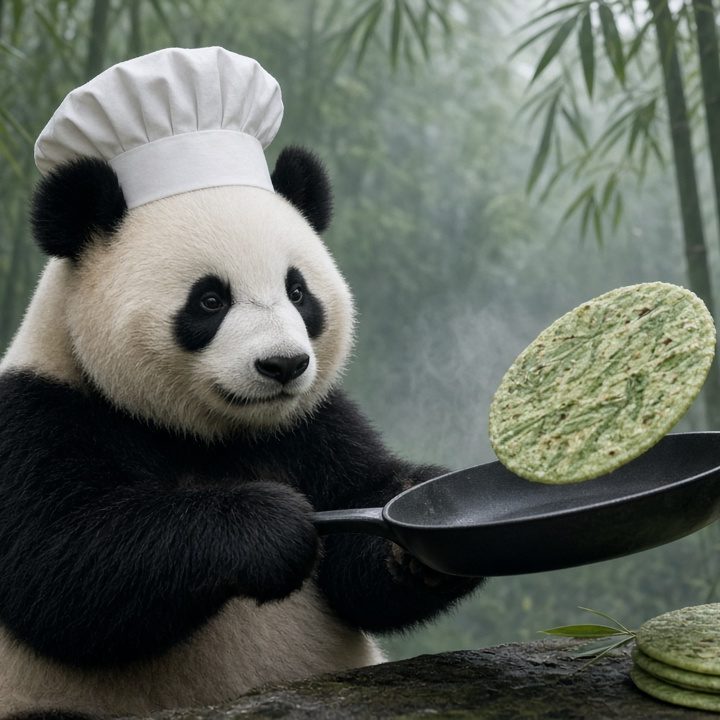 熊猫xióngmāo · panda
 香蕉xiāngjiāo · banana
 蛋糕dàngāo · cake
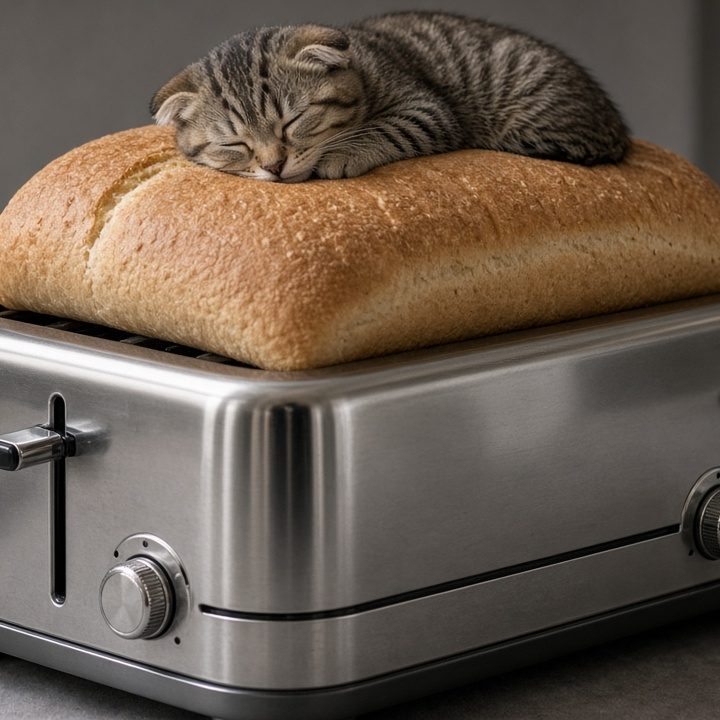 面包miànbāo · bread
 葡萄pútao · grape
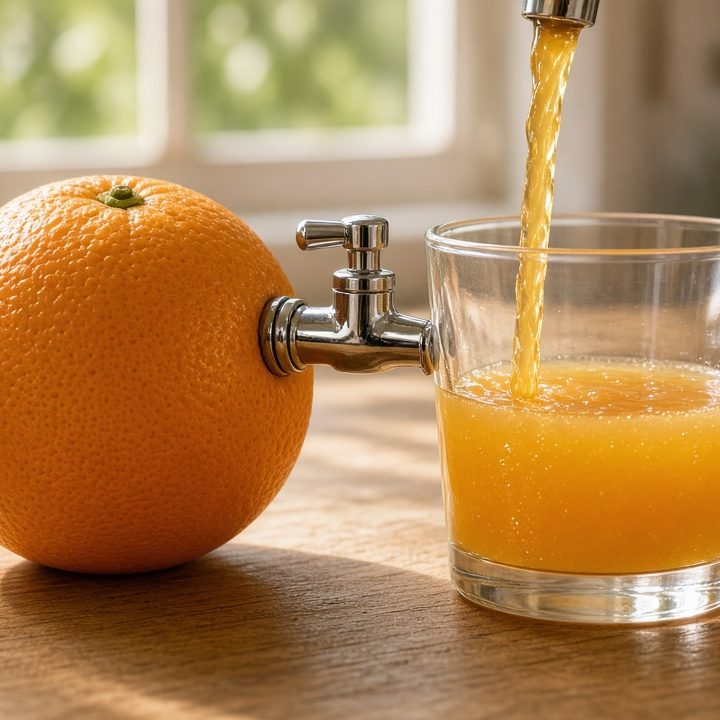 果汁guǒzhī · juice
 筷子kuàizi · chopsticks
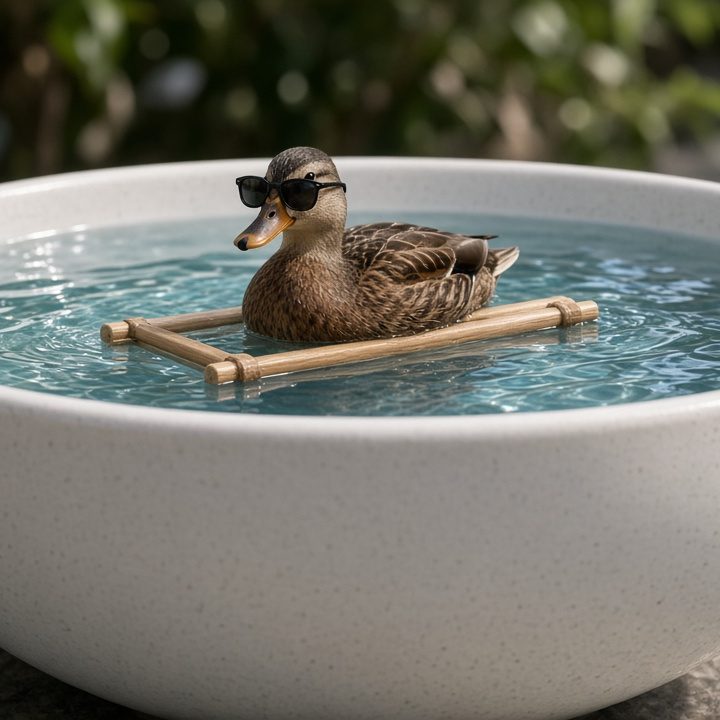 碗wǎn · bowl
Animal 4
| Hanzi | Pinyin | English | Example |
|---|---|---|---|
| 熊猫 | xióngmāo | panda | 我很喜欢熊猫。 I really like pandas. |
| 鸟 | niǎo | bird | 树上有一只鸟。 There is a bird in the tree. |
| 马 | mǎ | horse | 他会骑马。 He can ride a horse. |
| 动物 | dòngwù | animal | 我喜欢小动物。 I like small animals. |
Food & drink 9
| Hanzi | Pinyin | English | Example |
|---|---|---|---|
| 香蕉 | xiāngjiāo | banana | 我早上吃一个香蕉。 I eat a banana in the morning. |
| 蛋糕 | dàngāo | cake | 生日蛋糕很甜。 The birthday cake is very sweet. |
| 面包 | miànbāo | bread | 我买了一个面包。 I bought a loaf of bread. |
| 葡萄 | pútao | grape | 这些葡萄很甜。 These grapes are very sweet. |
| 果汁 | guǒzhī | juice | 我想喝果汁。 I want to drink juice. |
| 菜单 | càidān | menu | 服务员,请给我菜单。 Waiter, the menu please. |
| 啤酒 | píjiǔ | beer | 爸爸喜欢喝啤酒。 Dad likes drinking beer. |
| 糖 | táng | sugar; candy | 我不喝放糖的咖啡。 I don't drink coffee with sugar. |
| 新鲜 | xīnxiān | fresh | 这些水果很新鲜。 This fruit is very fresh. |
Things 41
| Hanzi | Pinyin | English | Example |
|---|---|---|---|
| 筷子 | kuàizi | chopsticks | 你会用筷子吗? Can you use chopsticks? |
| 碗 | wǎn | bowl | 我吃了两碗米饭。 I ate two bowls of rice. |
| 伞 | sǎn | umbrella | 下雨了,带伞吧。 It's raining — take an umbrella. |
| 帽子 | màozi | hat | 这个帽子很漂亮。 This hat is very pretty. |
| 鞋 | xié | shoe | 我的鞋很新。 My shoes are new. |
| 裙子 | qúnzi | skirt; dress | 她穿了一条红裙子。 She is wearing a red skirt. |
| 冰箱 | bīngxiāng | fridge | 牛奶在冰箱里。 The milk is in the fridge. |
| 办法 | bànfǎ | way; method | 我有一个好办法。 I have a good idea. |
| 包 | bāo | bag | 我的包很大。 My bag is very big. |
| 变化 | biànhuà | change | 这个城市变化很大。 This city has changed a lot. |
| 衬衫 | chènshān | shirt | 这件衬衫多少钱? How much is this shirt? |
| 成绩 | chéngjì | grade; result | 她的成绩很好。 Her grades are very good. |
| 词语 | cíyǔ | words; vocabulary | 这个词语是什么意思? What does this word mean? |
| 地图 | dìtú | map | 我看看地图。 Let me look at the map. |
| 灯 | dēng | light; lamp | 请开灯。 Please turn on the light. |
| 故事 | gùshi | story | 奶奶给我讲故事。 Grandma tells me a story. |
| 黑板 | hēibǎn | blackboard | 老师在黑板上写字。 The teacher writes on the blackboard. |
| 会议 | huìyì | meeting | 下午三点有会议。 There's a meeting at three this afternoon. |
| 机会 | jīhuì | opportunity | 这是一个好机会。 This is a good opportunity. |
| 节目 | jiémù | program; show | 你喜欢这个电视节目吗? Do you like this TV show? |
| 句子 | jùzi | sentence | 请读这个句子。 Please read this sentence. |
| 裤子 | kùzi | trousers | 这条裤子太长了。 These trousers are too long. |
| 礼物 | lǐwù | gift | 这是给你的礼物。 This is a present for you. |
| 历史 | lìshǐ | history | 我喜欢中国历史。 I like Chinese history. |
| 年级 | niánjí | grade (year) | 我上三年级。 I'm in third grade. |
| 盘子 | pánzi | plate | 桌子上有一个盘子。 There is a plate on the table. |
| 普通话 | pǔtōnghuà | Mandarin | 他的普通话很好。 His Mandarin is very good. |
| 数学 | shùxué | maths | 我的数学很好。 I'm good at maths. |
| 水平 | shuǐpíng | level; standard | 他的汉语水平很高。 His Chinese level is very high. |
| 体育 | tǐyù | PE; sports | 我喜欢体育。 I like sports. |
| 文化 | wénhuà | culture | 我对中国文化有兴趣。 I'm interested in Chinese culture. |
| 习惯 | xíguàn | habit | 我有早上跑步的习惯。 I have a habit of running in the morning. |
| 新闻 | xīnwén | news | 我每天看新闻。 I watch the news every day. |
| 信 | xìn | letter | 我给朋友写信。 I write a letter to my friend. |
| 眼镜 | yǎnjìng | glasses | 我的眼镜在哪儿? Where are my glasses? |
| 音乐 | yīnyuè | music | 我喜欢听音乐。 I like listening to music. |
| 游戏 | yóuxì | game | 孩子们在玩游戏。 The children are playing a game. |
| 照片 | zhàopiàn | photo | 这是我家的照片。 This is a photo of my family. |
| 字典 | zìdiǎn | dictionary | 我用字典学习汉语。 I use a dictionary to learn Chinese. |
| 作业 | zuòyè | homework | 我在做作业。 I'm doing homework. |
| 作用 | zuòyòng | effect; function | 这个药的作用很大。 This medicine is very effective. |
Transport 3
| Hanzi | Pinyin | English | Example |
|---|---|---|---|
| 电梯 | diàntī | elevator | 我们坐电梯上楼吧。 Let's take the elevator upstairs. |
| 地铁 | dìtiě | subway | 我每天坐地铁上班。 I take the subway to work every day. |
| 骑 | qí | to ride | 我骑自行车上班。 I ride a bike to work. |
Nature 6
| Hanzi | Pinyin | English | Example |
|---|---|---|---|
| 树 | shù | tree | 我家旁边有一个大树。 There's a big tree next to my home. |
| 月亮 | yuèliang | moon | 今天的月亮很大。 The moon is very big tonight. |
| 太阳 | tàiyáng | sun | 今天太阳很好。 The sun is nice today. |
| 草 | cǎo | grass | 草地上有很多花。 There are many flowers on the grass. |
| 河 | hé | river | 这条河很长。 This river is very long. |
| 花 | huā | flower | 这些花很漂亮。 These flowers are very pretty. |
People 9
| Hanzi | Pinyin | English | Example |
|---|---|---|---|
| 阿姨 | āyí | auntie | 阿姨,您好! Hello, auntie! |
| 关系 | guānxi | relationship | 我们的关系很好。 We get on very well. |
| 结婚 | jiéhūn | to get married | 他们明年结婚。 They are getting married next year. |
| 经理 | jīnglǐ | manager | 他是我们的经理。 He is our manager. |
| 客人 | kèrén | guest | 今天家里有客人。 We have guests at home today. |
| 邻居 | línjū | neighbor | 我的邻居很热情。 My neighbor is very friendly. |
| 司机 | sījī | driver | 他是出租车司机。 He is a taxi driver. |
| 同事 | tóngshì | colleague | 他是我的同事。 He is my colleague. |
| 校长 | xiàozhǎng | headteacher; principal | 校长在开会。 The principal is in a meeting. |
Particle 12
| Hanzi | Pinyin | English | Example |
|---|---|---|---|
| 啊 | a | ah; oh | 今天天气真好啊! What nice weather today! |
| 把 | bǎ | (object marker) | 请把门关上。 Please close the door. |
| 被 | bèi | by (passive) | 我的蛋糕被弟弟吃了。 My cake was eaten by my younger brother. |
| 除了 | chúle | except; besides | 除了他,大家都来了。 Everyone came except him. |
| 地 | de | (adverb marker) | 他高兴地笑了。 He laughed happily. |
| 而且 | érqiě | and also; moreover | 她很聪明,而且很努力。 She is clever and also hardworking. |
| 根据 | gēnjù | according to | 根据天气,明天会下雨。 According to the weather, it'll rain tomorrow. |
| 跟 | gēn | with; to follow | 我跟朋友一起去。 I'm going with my friend. |
| 关于 | guānyú | about | 这是一本关于中国的书。 This is a book about China. |
| 或者 | huòzhě | or | 我明天或者后天去。 I'll go tomorrow or the day after. |
| 如果 | rúguǒ | if | 如果下雨,我就不去了。 If it rains, I won't go. |
| 为了 | wèile | in order to; for | 为了健康,我每天跑步。 For my health, I run every day. |
Adjectives 30
| Hanzi | Pinyin | English | Example |
|---|---|---|---|
| 矮 | ǎi | short (height) | 我弟弟比我矮。 My younger brother is shorter than me. |
| 安静 | ānjìng | quiet | 图书馆里很安静。 It's very quiet in the library. |
| 差 | chà | poor; short of | 现在差五分八点。 It's five to eight now. |
| 聪明 | cōngming | clever; smart | 这个孩子很聪明。 This child is very clever. |
| 低 | dī | low | 这个桌子很低。 This table is very low. |
| 短 | duǎn | short (length) | 她的头发很短。 Her hair is short. |
| 方便 | fāngbiàn | convenient | 坐地铁很方便。 Taking the subway is very convenient. |
| 干净 | gānjìng | clean | 他的房间很干净。 His room is very clean. |
| 坏 | huài | bad; broken | 我的手机坏了。 My phone is broken. |
| 简单 | jiǎndān | simple; easy | 这个问题很简单。 This question is very simple. |
| 旧 | jiù | old (things) | 这本书很旧。 This book is very old. |
| 可爱 | kě'ài | cute | 这只小狗很可爱。 This puppy is very cute. |
| 老 | lǎo | old (age) | 我爷爷很老了。 My grandpa is very old. |
| 难 | nán | difficult | 汉语不难。 Chinese isn't hard. |
| 年轻 | niánqīng | young | 我的妈妈很年轻。 My mom is very young. |
| 努力 | nǔlì | hard-working | 他学习很努力。 He studies very hard. |
| 胖 | pàng | fat | 这只猫很胖。 This cat is very fat. |
| 奇怪 | qíguài | strange | 这个人很奇怪。 This person is strange. |
| 清楚 | qīngchu | clear | 你说得很清楚。 You speak very clearly. |
| 热情 | rèqíng | warm; enthusiastic | 他们对客人很热情。 They are very warm to guests. |
| 认真 | rènzhēn | serious; careful | 她做作业很认真。 She does homework carefully. |
| 容易 | róngyì | easy | 这个题很容易。 This question is easy. |
| 瘦 | shòu | thin | 他很瘦。 He is very thin. |
| 相同 | xiāngtóng | the same | 我们的爱好相同。 We have the same hobby. |
| 像 | xiàng | to resemble | 他很像他爸爸。 He looks a lot like his dad. |
| 一般 | yìbān | usually; ordinary | 我一般七点起床。 I usually get up at seven. |
| 一样 | yíyàng | the same | 我和他一样高。 He and I are the same height. |
| 有名 | yǒumíng | famous | 这个饭店很有名。 This restaurant is very famous. |
| 重要 | zhòngyào | important | 这个事情很重要。 This matter is very important. |
| 主要 | zhǔyào | main | 我主要学习汉语。 I mainly study Chinese. |
Feeling 18
| Hanzi | Pinyin | English | Example |
|---|---|---|---|
| 爱好 | àihào | hobby | 我的爱好是唱歌。 My hobby is singing. |
| 饱 | bǎo | full (after eating) | 我吃饱了。 I'm full. |
| 担心 | dānxīn | to worry | 别担心,我很好。 Don't worry, I'm fine. |
| 饿 | è | hungry | 我饿了,我们去吃饭吧。 I'm hungry, let's go eat. |
| 放心 | fàngxīn | to feel relieved | 你放心,我会来的。 Don't worry, I'll come. |
| 敢 | gǎn | to dare | 你敢一个人去吗? Do you dare go alone? |
| 关心 | guānxīn | to care about | 妈妈很关心我。 Mom really cares about me. |
| 害怕 | hàipà | to be afraid | 我害怕狗。 I'm scared of dogs. |
| 渴 | kě | thirsty | 我渴了,想喝水。 I'm thirsty, I want water. |
| 哭 | kū | to cry | 孩子哭了。 The child cried. |
| 满意 | mǎnyì | satisfied | 我很满意。 I'm very satisfied. |
| 难过 | nánguò | sad | 他很难过。 He is very sad. |
| 生气 | shēngqì | angry | 妈妈生气了。 Mom is angry. |
| 舒服 | shūfu | comfortable | 这个椅子很舒服。 This chair is very comfortable. |
| 相信 | xiāngxìn | to believe | 我相信你。 I believe you. |
| 兴趣 | xìngqù | interest | 我对音乐很有兴趣。 I'm very interested in music. |
| 愿意 | yuànyì | to be willing | 我愿意帮助你。 I'm willing to help you. |
| 着急 | zháojí | anxious; in a hurry | 别着急,慢慢来。 Don't worry, take your time. |
Places 17
| Hanzi | Pinyin | English | Example |
|---|---|---|---|
| 班 | bān | class (group) | 我们班有二十个学生。 There are twenty students in our class. |
| 办公室 | bàngōngshì | office | 经理在办公室。 The manager is in the office. |
| 北方 | běifāng | the north | 北方的冬天很冷。 Winters in the north are very cold. |
| 超市 | chāoshì | supermarket | 我去超市买水果。 I'm going to the supermarket to buy fruit. |
| 城市 | chéngshì | city | 北京是一个大城市。 Beijing is a big city. |
| 厨房 | chúfáng | kitchen | 妈妈在厨房做饭。 Mom is cooking in the kitchen. |
| 地方 | dìfang | place | 这是什么地方? What place is this? |
| 公园 | gōngyuán | park | 我们去公园跑步吧。 Let's go running in the park. |
| 国家 | guójiā | country | 你去过哪些国家? Which countries have you been to? |
| 花园 | huāyuán | garden | 我家有一个小花园。 My home has a small garden. |
| 环境 | huánjìng | environment | 这里的环境很好。 The environment here is very nice. |
| 街道 | jiēdào | street | 这条街道很干净。 This street is very clean. |
| 楼 | lóu | building; floor | 我家在三楼。 My home is on the third floor. |
| 世界 | shìjiè | world | 我想去世界上很多地方。 I want to go to many places in the world. |
| 图书馆 | túshūguǎn | library | 我在图书馆看书。 I read in the library. |
| 洗手间 | xǐshǒujiān | restroom | 洗手间在哪儿? Where's the restroom? |
| 银行 | yínháng | bank | 我去银行。 I'm going to the bank. |
Action 52
| Hanzi | Pinyin | English | Example |
|---|---|---|---|
| 搬 | bān | to move (things/house) | 我们下个月搬家。 We are moving house next month. |
| 帮忙 | bāngmáng | to help | 你能帮忙吗? Can you help? |
| 比赛 | bǐsài | match; competition | 我们明天有比赛。 We have a match tomorrow. |
| 表示 | biǎoshì | to express; to show | 他笑了笑,表示同意。 He smiled to show he agreed. |
| 表演 | biǎoyǎn | to perform | 孩子们在表演节目。 The children are performing a show. |
| 参加 | cānjiā | to take part in | 我想参加比赛。 I want to take part in the competition. |
| 出现 | chūxiàn | to appear | 一只猫突然出现了。 A cat suddenly appeared. |
| 打扫 | dǎsǎo | to clean; to sweep | 我在打扫房间。 I'm cleaning my room. |
| 打算 | dǎsuàn | to plan; to intend | 你打算去哪儿旅游? Where are you planning to travel? |
| 带 | dài | to bring; to take | 你带手机了吗? Did you bring your phone? |
| 锻炼 | duànliàn | to exercise | 我每天锻炼身体。 I exercise every day. |
| 发现 | fāxiàn | to discover | 我发现了一个好地方。 I found a nice place. |
| 放 | fàng | to put; to place | 把书放在桌子上。 Put the book on the table. |
| 复习 | fùxí | to review | 明天考试,我要复习。 There's an exam tomorrow, I need to review. |
| 关 | guān | to close; to turn off | 请关门。 Please close the door. |
| 画 | huà | to draw; to paint | 我喜欢画熊猫。 I like drawing pandas. |
| 换 | huàn | to change; to exchange | 我想换一件衣服。 I want to change my clothes. |
| 记得 | jìde | to remember | 你还记得我吗? Do you still remember me? |
| 检查 | jiǎnchá | to check | 医生给我检查身体。 The doctor examines me. |
| 见面 | jiànmiàn | to meet | 我们明天见面吧。 Let's meet tomorrow. |
| 讲 | jiǎng | to tell; to explain | 老师讲得很清楚。 The teacher explains very clearly. |
| 教 | jiāo | to teach | 她教我们汉语。 She teaches us Chinese. |
| 接 | jiē | to pick up; to meet | 我去机场接朋友。 I'm going to the airport to pick up my friend. |
| 解决 | jiějué | to solve | 这个问题很难解决。 This problem is hard to solve. |
| 借 | jiè | to borrow; to lend | 我可以借你的铅笔吗? Can I borrow your pencil? |
| 举行 | jǔxíng | to hold (an event) | 学校举行比赛。 The school is holding a competition. |
| 决定 | juédìng | to decide | 我决定学习汉语。 I decided to study Chinese. |
| 了解 | liǎojiě | to understand; to know well | 我很了解他。 I know him well. |
| 练习 | liànxí | to practice | 我每天练习说汉语。 I practice speaking Chinese every day. |
| 明白 | míngbai | to understand | 我明白了! I get it! |
| 拿 | ná | to take; to hold | 请拿好你的包。 Please hold on to your bag. |
| 爬山 | páshān | to climb a mountain | 周末我们去爬山。 We're going mountain climbing at the weekend. |
| 认为 | rènwéi | to think; to believe | 我认为他是对的。 I think he is right. |
| 使 | shǐ | to make; to cause | 这个故事使我很快乐。 This story made me very happy. |
| 刷 | shuā | to brush | 我每天刷碗。 I wash the bowls every day. |
| 提高 | tígāo | to raise; to improve | 我想提高我的汉语水平。 I want to improve my Chinese. |
| 同意 | tóngyì | to agree | 我同意你说的。 I agree with what you said. |
| 完成 | wánchéng | to complete | 我完成作业了。 I've finished my homework. |
| 忘记 | wàngjì | to forget | 我忘记他的名字了。 I forgot his name. |
| 洗澡 | xǐzǎo | to take a bath | 我晚上洗澡。 I take a bath in the evening. |
| 小心 | xiǎoxīn | to be careful | 小心!车来了! Careful! A car is coming! |
| 需要 | xūyào | to need | 我需要你的帮助。 I need your help. |
| 选择 | xuǎnzé | to choose | 你选择哪一个? Which one do you choose? |
| 要求 | yāoqiú | requirement; to request | 老师的要求很高。 The teacher's standards are high. |
| 以为 | yǐwéi | to think (wrongly) | 我以为你不来了。 I thought you weren't coming. |
| 应该 | yīnggāi | should; ought to | 你应该多休息。 You should rest more. |
| 影响 | yǐngxiǎng | to affect; influence | 天气影响我的身体。 The weather affects my health. |
| 用 | yòng | to use | 我用手机上网。 I use my phone to go online. |
| 遇到 | yùdào | to meet; run into | 我在路上遇到了老师。 I ran into my teacher on the road. |
| 站 | zhàn | to stand | 他站在门口。 He is standing at the door. |
| 照顾 | zhàogù | to take care of | 我照顾我的妹妹。 I look after my younger sister. |
| 注意 | zhùyì | to pay attention | 上课要注意听。 Pay attention in class. |
Numbers 5
| Hanzi | Pinyin | English | Example |
|---|---|---|---|
| 半 | bàn | half | 现在七点半。 It's half past seven now. |
| 分 | fēn | minute; point | 我的数学考试九十分。 I got ninety points in my maths exam. |
| 角 | jiǎo | jiao (money); corner | 这个苹果五角钱。 This apple costs five jiao. |
| 万 | wàn | ten thousand | 这个城市有一百万人。 This city has a million people. |
| 一共 | yígòng | in total | 一共多少钱? How much is it in total? |
Body & health 7
| Hanzi | Pinyin | English | Example |
|---|---|---|---|
| 鼻子 | bízi | nose | 他的鼻子很大。 He has a big nose. |
| 耳朵 | ěrduo | ear | 熊猫的耳朵很小。 A panda's ears are small. |
| 脚 | jiǎo | foot | 我的脚很疼。 My foot hurts. |
| 口 | kǒu | mouth; (measure for people) | 我家有四口人。 There are four people in my family. |
| 脸 | liǎn | face | 她的脸红了。 Her face turned red. |
| 头发 | tóufa | hair | 她的头发很长。 Her hair is very long. |
| 腿 | tuǐ | leg | 他的腿很长。 His legs are very long. |
Adverb 18
| Hanzi | Pinyin | English | Example |
|---|---|---|---|
| 比较 | bǐjiào | relatively; quite | 今天比较冷。 It's fairly cold today. |
| 必须 | bìxū | must | 你必须休息。 You must rest. |
| 才 | cái | only then; just | 他十点才起床。 He didn't get up until ten. |
| 当然 | dāngrán | of course | 当然可以! Of course you can! |
| 多么 | duōme | how (so) | 这里多么漂亮啊! How beautiful it is here! |
| 更 | gèng | more; even more | 今天比昨天更冷。 Today is even colder than yesterday. |
| 极 | jí | extremely | 这个菜好吃极了。 This dish is extremely delicious. |
| 几乎 | jīhū | almost | 我几乎每天跑步。 I run almost every day. |
| 经常 | jīngcháng | often | 我经常去公园。 I often go to the park. |
| 其实 | qíshí | actually | 其实我不喜欢咖啡。 Actually, I don't like coffee. |
| 特别 | tèbié | special; especially | 今天特别热。 It's especially hot today. |
| 突然 | tūrán | suddenly | 突然下雨了。 Suddenly it started raining. |
| 一定 | yídìng | surely; definitely | 我一定会来。 I'll definitely come. |
| 一直 | yìzhí | always; straight | 他一直在学习汉语。 He has been studying Chinese all along. |
| 又 | yòu | again | 他又迟到了。 He's late again. |
| 越 | yuè | the more | 天气越来越冷。 The weather is getting colder and colder. |
| 只 | zhǐ | only | 我只有一个哥哥。 I only have one older brother. |
| 总是 | zǒngshì | always | 他总是迟到。 He is always late. |
Pron 3
| Hanzi | Pinyin | English | Example |
|---|---|---|---|
| 别人 | biérén | other people | 别人都去了。 The others have all gone. |
| 其他 | qítā | other | 其他人都去了。 The others all went. |
| 自己 | zìjǐ | oneself | 我自己做饭。 I cook for myself. |
Measure 8
| Hanzi | Pinyin | English | Example |
|---|---|---|---|
| 层 | céng | floor; layer | 我住在十层。 I live on the tenth floor. |
| 段 | duàn | section; period | 我在中国住了一段时间。 I lived in China for a while. |
| 辆 | liàng | (measure for vehicles) | 门口有一辆车。 There's a car at the door. |
| 米 | mǐ | metre; rice | 这条河有一百米长。 This river is a hundred metres long. |
| 双 | shuāng | pair | 我买了一双鞋。 I bought a pair of shoes. |
| 条 | tiáo | (measure for long things) | 我有一条狗。 I have a dog. |
| 位 | wèi | (polite measure for people) | 这位是我的老师。 This is my teacher. |
| 种 | zhǒng | kind; type | 你喜欢哪种水果? Which kind of fruit do you like? |
Time 22
| Hanzi | Pinyin | English | Example |
|---|---|---|---|
| 迟到 | chídào | to be late | 对不起,我迟到了。 Sorry, I'm late. |
| 春 | chūn | spring | 春天来了。 Spring has come. |
| 冬 | dōng | winter | 冬天经常下雪。 It often snows in winter. |
| 刚才 | gāngcái | just now | 你刚才去哪儿了? Where did you go just now? |
| 过去 | guòqù | the past | 过去我住在北京。 In the past I lived in Beijing. |
| 季节 | jìjié | season | 你喜欢哪个季节? Which season do you like? |
| 节日 | jiérì | festival; holiday | 今天是一个重要的节日。 Today is an important holiday. |
| 结束 | jiéshù | to end; to finish | 会议结束了。 The meeting is over. |
| 久 | jiǔ | long (time) | 我们很久没见面了。 We haven't seen each other for a long time. |
| 刻 | kè | quarter (hour) | 现在八点一刻。 It's a quarter past eight. |
| 马上 | mǎshàng | immediately | 我马上来! I'm coming right away! |
| 秋 | qiū | autumn | 秋天的树很漂亮。 Trees are beautiful in autumn. |
| 然后 | ránhòu | then; after that | 我先吃饭,然后看书。 First I eat, then I read. |
| 夏 | xià | summer | 夏天很热。 Summer is very hot. |
| 先 | xiān | first | 你先走吧。 You go first. |
| 一边 | yìbiān | while; at the same time | 他一边吃饭一边看电视。 He watches TV while eating. |
| 一会儿 | yíhuìr | a moment | 请等一会儿。 Please wait a moment. |
| 以后 | yǐhòu | after; later | 以后我想去中国。 Later I want to go to China. |
| 以前 | yǐqián | before; ago | 以前我不会说汉语。 Before, I couldn't speak Chinese. |
| 终于 | zhōngyú | finally | 我终于到家了。 I finally got home. |
| 周末 | zhōumò | weekend | 周末你做什么? What do you do at the weekend? |
| 最近 | zuìjìn | recently | 你最近好吗? How have you been lately? |
Tech 4
| Hanzi | Pinyin | English | Example |
|---|---|---|---|
| 电子 | diànzǐ | electronic | 我喜欢看电子书。 I like reading e-books. |
| 空调 | kōngtiáo | air conditioner | 太热了,开空调吧。 It's too hot, turn on the AC. |
| 上网 | shàngwǎng | to go online | 我晚上上网看新闻。 I go online to read news in the evening. |
| 照相机 | zhàoxiàngjī | camera | 我的照相机很新。 My camera is new. |
Position 5
| Hanzi | Pinyin | English | Example |
|---|---|---|---|
| 东 | dōng | east | 太阳从东边出来。 The sun rises in the east. |
| 附近 | fùjìn | nearby | 我家附近有一个超市。 There's a supermarket near my home. |
| 南 | nán | south | 我家在城市的南边。 My home is in the south of the city. |
| 西 | xī | west | 太阳在西边。 The sun is in the west. |
| 中间 | zhōngjiān | middle | 我坐在他们中间。 I sit between them. |
Health 4
| Hanzi | Pinyin | English | Example |
|---|---|---|---|
| 发烧 | fāshāo | to have a fever | 我发烧了。 I have a fever. |
| 感冒 | gǎnmào | to catch a cold | 我感冒了。 I caught a cold. |
| 健康 | jiànkāng | healthy | 祝你身体健康! Wishing you good health! |
| 疼 | téng | painful; to hurt | 我的脚很疼。 My foot hurts a lot. |
Weather 2
| Hanzi | Pinyin | English | Example |
|---|---|---|---|
| 刮 | guā | to blow (wind) | 今天刮风了。 It's windy today. |
| 云 | yún | cloud | 天上有很多白云。 There are many white clouds in the sky. |
Question 1
| Hanzi | Pinyin | English | Example |
|---|---|---|---|
| 还是 | háishi | or (in questions) | 你喝茶还是咖啡? Do you drink tea or coffee? |
Travel 2
| Hanzi | Pinyin | English | Example |
|---|---|---|---|
| 护照 | hùzhào | passport | 别忘记带护照。 Don't forget to bring your passport. |
| 行李箱 | xínglixiāng | suitcase | 我的行李箱很大。 My suitcase is very big. |
Color 3
| Hanzi | Pinyin | English | Example |
|---|---|---|---|
| 黄 | huáng | yellow | 我喜欢黄色。 I like yellow. |
| 蓝 | lán | blue | 天很蓝。 The sky is very blue. |
| 绿 | lǜ | green | 草是绿色的。 Grass is green. |
Motion 2
| Hanzi | Pinyin | English | Example |
|---|---|---|---|
| 经过 | jīngguò | to pass by | 我每天经过这个公园。 I pass this park every day. |
| 离开 | líkāi | to leave | 他离开了北京。 He left Beijing. |
Family 3
| Hanzi | Pinyin | English | Example |
|---|---|---|---|
| 奶奶 | nǎinai | grandma (paternal) | 奶奶喜欢看电视。 Grandma likes watching TV. |
| 叔叔 | shūshu | uncle | 叔叔给我买了一个礼物。 Uncle bought me a present. |
| 爷爷 | yéye | grandpa (paternal) | 爷爷每天早上锻炼。 Grandpa exercises every morning. |
Sense 2
| Hanzi | Pinyin | English | Example |
|---|---|---|---|
| 声音 | shēngyīn | sound; voice | 她的声音很好听。 Her voice sounds lovely. |
| 甜 | tián | sweet | 这个西瓜很甜。 This watermelon is very sweet. |
Greeting 1
| Hanzi | Pinyin | English | Example |
|---|---|---|---|
| 祝 | zhù | to wish | 祝你生日快乐! Happy birthday! |
Practice these words with pictures and audio
TianTian is a free-to-start web app for HSK 1, 2 and 3: a memory picture and Mandarin audio (computer-generated) for every word, reading texts, grammar lessons, sentence drills and a daily goal. Nothing to install.
FAQ
How many words are in HSK 3?
Classic HSK 2.0 Level 3 adds 293 words to the previous levels (600 words in total across levels 1–3).
How long does it take to learn HSK 3 vocabulary?
At 10 new words a day plus review, the 293 words take about 29 days. Short daily sessions beat long weekly ones.
Is this list HSK 2.0 or HSK 3.0?
It is the classic HSK 2.0 list. HSK 3.0 levels contain more words; confirm with your test centre which syllabus your exam uses.